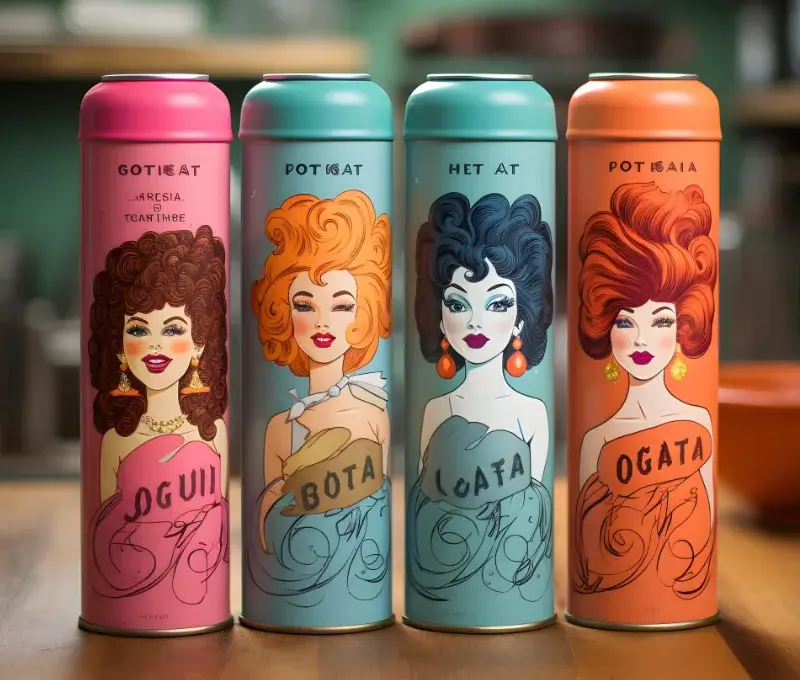
How frontend innovations shape interactive user journeys
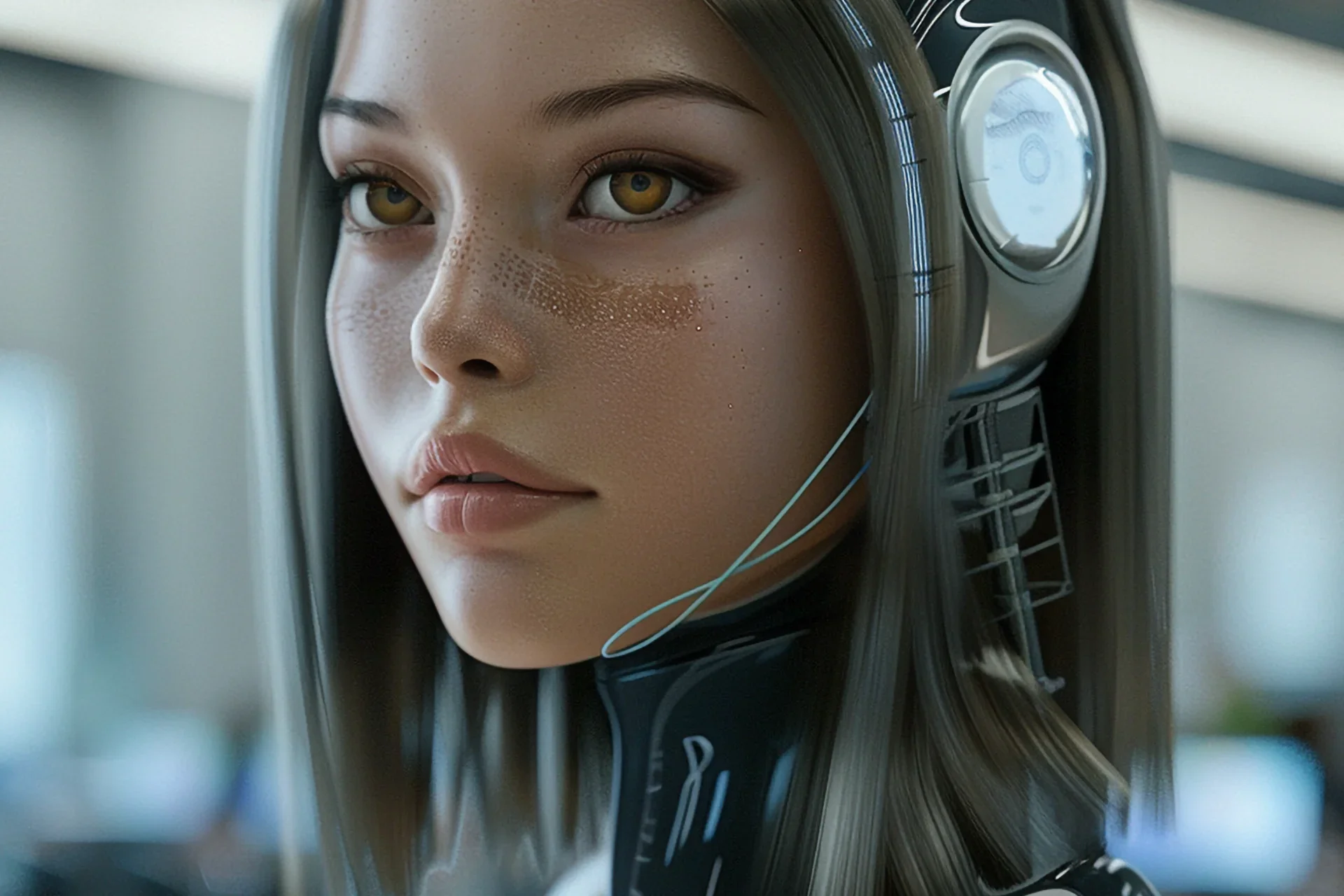
As a digital illustrator, I’ve always been fascinated by the intersection of art and technology. Recently, I decided to dive into the world of artificial intelligence (AI) to see how it could help me create commercial illustrations more efficiently and creatively.
The idea of working alongside AI felt both exciting and intimidating. Could a machine truly assist in producing work that matches the nuances of human creativity? With curiosity as my guide, I set out to explore the capabilities of these tools and see how they could enhance my artistic process.
The Experiment Begins
The idea was simple: could AI tools like MidJourney, DALL·E, or Stable Diffusion become valuable collaborators in my creative process? I wanted to see if these cutting-edge technologies could help me produce high-quality illustrations that met the expectations of my clients. With a mix of excitement and skepticism, I decided to dive in and put these tools to the test.
AI didn’t replace my creativity — it amplified it, unlocking possibilities I hadn’t even imagined.
Alex Walker
At first, using AI felt like learning a new language. Experimenting with prompts and settings was a mix of trial and error, but it quickly became clear that these tools can be useful. What surprised me most was how seamlessly AI could complement my existing workflow, turning vague ideas into great visuals in ways I hadn’t expected.
How I Used AI in My Workflow
AI didn’t take over my process—it became part of my toolbox. Here’s how:
Brainstorming
AI generated ideas and mood boards, saving hours of initial concepting and accelerating the creative process. This allowed for more time to refine and perfect the final designs.
Textures
AI created intricate backgrounds and patterns, significantly enhancing the visual appeal of illustrations and designs. It offered unique styles and elements that would have taken hours to craft manually.
Pitching
AI helped visualize ideas quickly for clients, improving presentations and making concepts more tangible. The efficiency and clarity it provided led to faster client approvals and feedback.
The Challenges
Creative Control. I wanted to create a forest scene, but the AI kept adding random elements like futuristic buildings.
Style Consistency. AI excels at individual pieces, but creating a cohesive set for branding is tricky.
Time Spent Tweaking. Despite its speed, AI still required adjustments to meet client expectations.
Why I’ll Keep Using AI
AI tools like MidJourney and Stable Diffusion don’t replace illustrators. Instead, they:
- Provide inspiration when you hit creative blocks;
- Help with time-consuming tasks like creating textures;
- Push creative boundaries, inspiring new styles and techniques.